AI SEO Checklist (2026) – Long Form
This in-depth guide is designed for practical implementation. Use it as a working playbook, not just reading material.
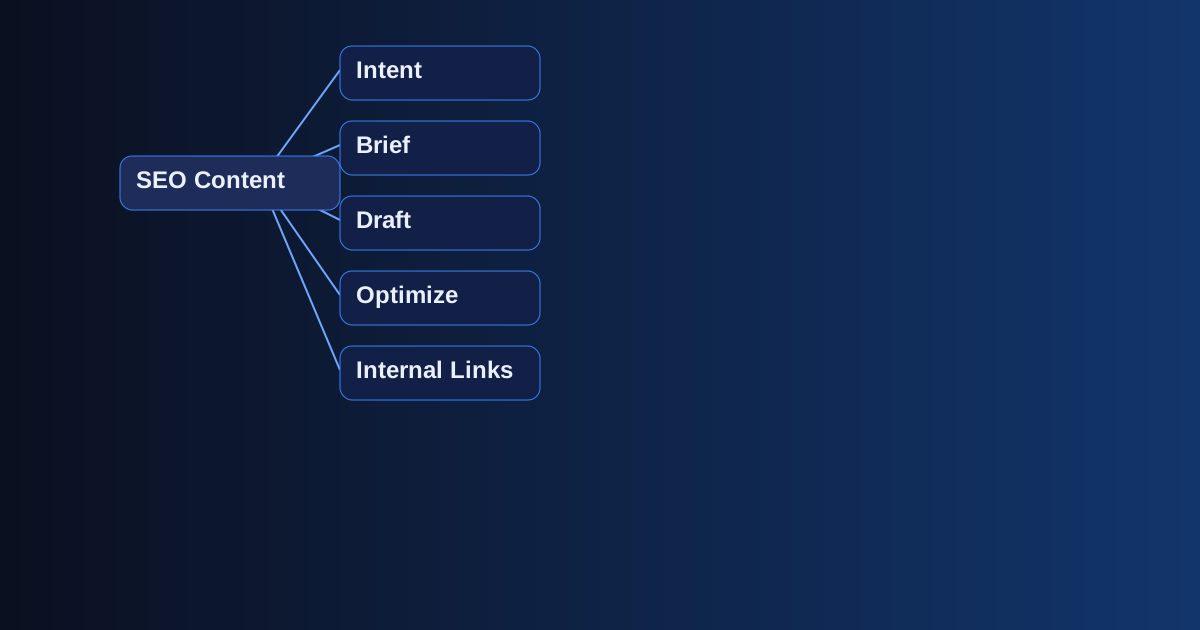
Intent-first SEO
Start with user intent, not keyword volume alone. If intent is mismatched, rankings and retention both suffer.
SERP analysis process
Analyze top-ranking pages for structure, angle, and depth. Identify gaps you can fill with better examples and clearer action steps.
Content briefing
Define target reader, problem, desired outcome, keyword cluster, and internal link destinations before writing the draft.
Drafting with AI
Use AI to accelerate first drafts and outlines, but rewrite critical sections using specific examples and unique positioning.
On-page optimization
Optimize title tags, meta descriptions, H1-H3 structure, image alt text, and readability blocks. Clean structure improves scanability.
Trust signals
Add experience-based notes, screenshots, process snapshots, and specific recommendations. Trust is a ranking multiplier.
Internal linking architecture
Each article should support a content cluster: one pillar, multiple support pages, and strategic conversion links.
Technical basics
Ensure fast page speed, responsive design, proper sitemap coverage, and crawlable navigation for stable indexing.
Performance monitoring
Track impressions, CTR, average position, session duration, and assisted conversions. SEO is a system, not a one-time task.
Update cadence
Refresh key guides monthly with new examples, updated tool recommendations, and better internal link flow.
FAQ
How long before I see results? Usually 4–12 weeks of consistent execution.
Do I need paid tools? No. Start free, upgrade when ROI is clear.
How many tools should I use? Keep it lean: 2–3 core tools per workflow.
Detailed Implementation Notes
At this stage, most creators underestimate the importance of documentation. You should maintain a simple operating document that includes your target audience, offer promise, production standards, and quality checks. This document becomes the backbone of consistency and prevents random output that confuses users. Every week, review what performed well and update your playbook accordingly. Over time, this creates compounding quality gains.
Another key element is feedback loops. Do not publish content and disappear. Track responses, common objections, questions from prospects, and comments from readers. Convert those into new sub-sections, FAQ blocks, and follow-up content. This audience-driven iteration improves both relevance and conversion performance. In practical terms, your audience tells you exactly what to create next if you pay attention.
Execution speed matters, but quality control matters more. Use AI for acceleration, yet keep human checkpoints for logic, tone, fact validation, and call-to-action alignment. A fast wrong output is still wrong. A slightly slower but accurate and persuasive output builds trust, and trust is the real growth driver.
Advanced Optimization Layer
Once your baseline workflow is stable, optimize at the system level. Build reusable blocks: intro templates, section frameworks, CTA variants, and visual modules. Reuse structure, not wording. This approach keeps production efficient while preserving originality. In commercial settings, this is the difference between sporadic publishing and scalable operation.
Also, define role-based workflows even if you are solo. Think in roles: strategist, writer, editor, designer, publisher, analyst. You might play all roles yourself today, but role clarity helps when you delegate later. Delegation becomes much easier when responsibilities are already separated in your process map.
Finally, connect output to outcomes. Content without a monetization path is just activity. Every major piece should lead somewhere: newsletter signup, consultation call, product page, or service inquiry. This does not mean aggressive selling; it means clear direction. Helpful content plus clear next step is the ideal balance for long-term growth.
Case-style Example
Assume you run a small AI-focused service for local businesses. In month one, you publish four long guides and two short tactical posts. You include one lead magnet and a simple contact offer. Traffic starts small, but one guide ranks for a targeted keyword and brings qualified visitors. Those visitors read related pages through internal links and eventually book calls. Even with modest traffic, the quality of intent makes revenue possible early. This is why focused strategy beats vanity metrics.
In month two, you improve the top-performing guide by adding examples, visuals, and a cleaner CTA. CTR improves, time on page increases, and conversion rises. Nothing dramatic happened overnight. You simply executed, measured, and refined. That is the growth pattern you should expect and trust.
Conclusion
Long-term results come from consistent systems, not short bursts of motivation. Build one reliable workflow, maintain quality standards, and keep improving based on real data. If you do this for 90 days, your outputs, skills, and business opportunities will look very different from day one.